AI companies face a distinctive marketing challenge: new products appear constantly, features evolve quickly, and potential customers can struggle to understand what makes one tool useful, or different from the alternatives.
A list of capabilities rarely answers the question prospective users actually have: What could I accomplish with this in my own work? That is where YouTube influencer marketing can become valuable. The right creator can demonstrate an AI product inside a recognizable task, showing the audience what to do, what the output looks like, and why the workflow matters.
For AI brands, the objective should extend beyond visibility. Effective creator campaigns can help people move from curiosity to a first useful experience with the product, then toward repeat use and paid adoption.
Demonstrate outcomes, not feature lists
A feature like “AI-powered research” sounds impressive but vague. A creator showing how they research a market, organize findings, and turn them into an actionable business plan makes the benefit concrete.
The same principle applies across categories. A sales creator can show how an AI tool supports prospect research. An ecommerce operator can use one to draft product descriptions and analyze customer questions. A founder can demonstrate how AI helps turn an idea into a prototype or landing page.
These are illustrative use cases, not claims about the capabilities of any specific platform. Brands should ensure that the proposed demonstration reflects what their product can reliably do at the time of filming.
The best sponsored content teaches a workflow the viewer would want to learn even if no brand were involved. The software becomes a useful part of that lesson, not an interruption.
Choose creators with practical credibility
AI audiences are not all the same. Some viewers want news about model releases; others want to automate repetitive business tasks. Still others want to build applications or run agencies more efficiently.
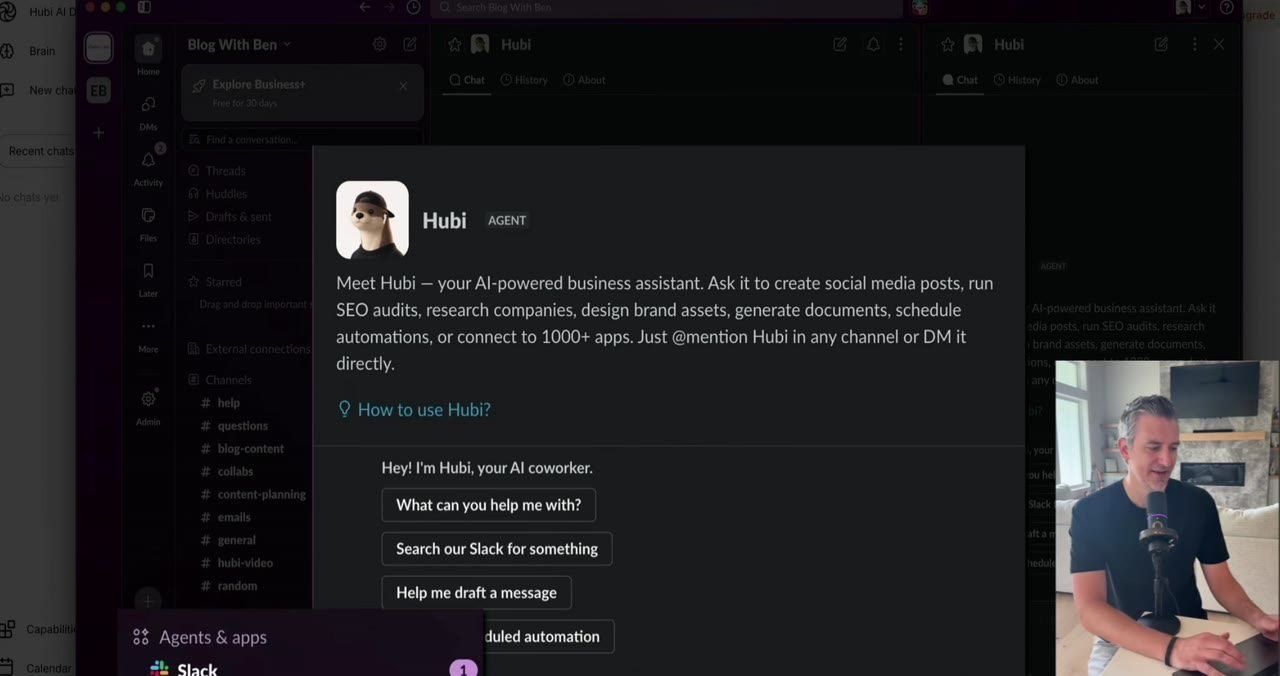
For a B2B AI product, creators who demonstrate hands-on experience in the relevant workflow are often better partners than channels focused exclusively on broad AI news. A practitioner can explain not just which buttons to click, but when to use the tool, where it fits in a process, and what limitations users should understand.
Consider an outreach automation platform. A creator who actively builds prospecting systems can demonstrate a workflow and explain the business logic behind it. That is more useful to a potential customer than a generic endorsement disconnected from their daily work.
Channel size remains relevant for reach and budget planning, but the creator's authority with a specific audience may matter more for qualified trials and activation.
Match the sponsorship format to the learning curve
Mid-roll sponsorships can introduce an AI tool quickly and encourage viewers to explore it. They work best when the value proposition is simple enough to explain and demonstrate in approximately 60 to 90 seconds.
Semi-dedicated videos make the product part of a broader tutorial. For example, a creator could produce “How to Build an AI-Assisted Prospecting Workflow” and incorporate the sponsor as a meaningful step. Viewers see the platform in context while still receiving broader educational value.
Dedicated videos allow a creator to build an entire story around the tool. A video might document launching a side project, creating a website, or developing a repeatable business process using the product. The strongest concepts focus on the result, not a lengthy sequence of disconnected features.
For complex AI products, deeper integrations may produce better-informed trials because viewers understand the intended use before signing up. But they also require more collaboration and investment, so brands should test the economics rather than assume dedicated videos always win.
Design for the first successful user experience
Many AI brands optimize for registrations, but signups alone can be misleading. A user who creates an account and never completes a task has not experienced the product's value.
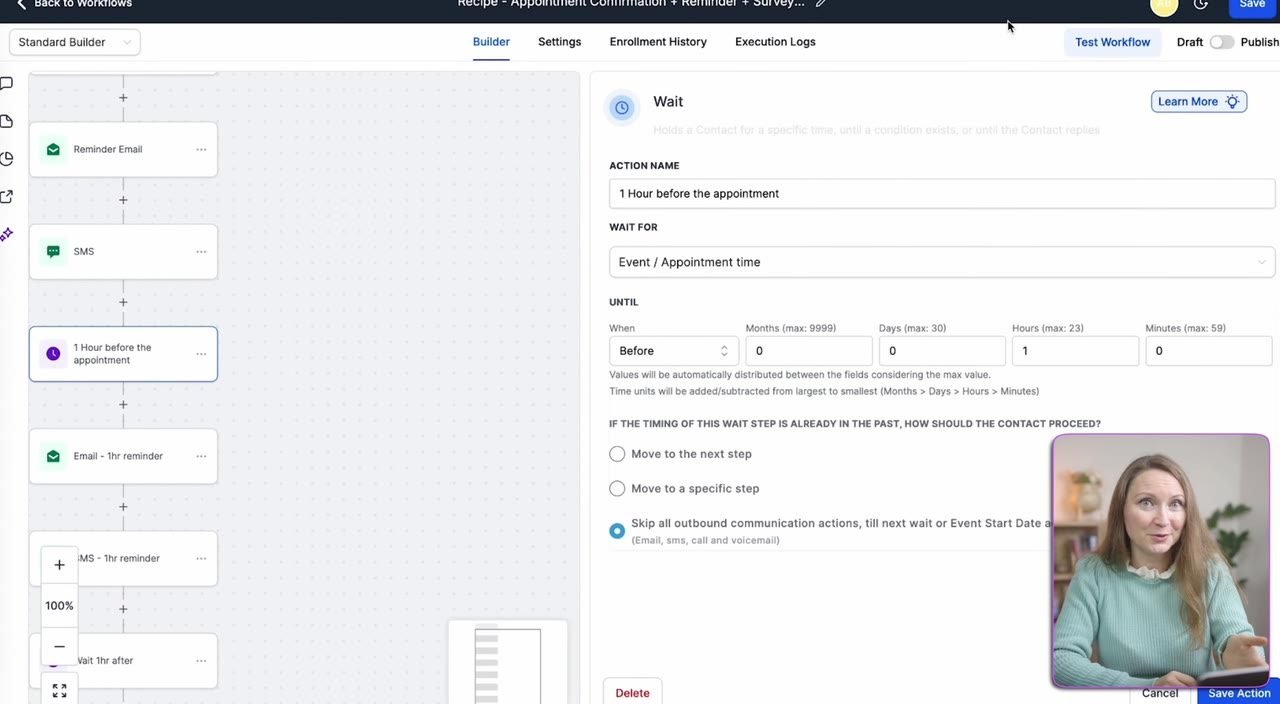
Start by defining the activation event that indicates a useful first experience. It could be completing a research project, publishing an automation, generating an approved deliverable, or building a functional prototype. The right event depends on the product.
Then align the creator's video, landing page, and onboarding journey around that action. If the video teaches viewers how to build a workflow, the destination should help them begin that same workflow. A generic homepage with no clear next step can squander the intent created by the content.
Measure tracked visits, registrations, activation, repeat usage, and paid conversion where possible. Use creator-specific links or landing pages while recognizing that some conversions will occur later or through untracked paths.
Give creators room to be credible
AI marketing can easily drift into exaggerated promises. A creator who presents a tool as flawless may win a click but disappoint users when real outputs require review or iteration.
Better content shows an authentic process: the prompt or input, the generated output, what worked, and what needed adjustment. If a tool has meaningful limitations, the demonstration should not hide them. Accuracy and trust matter especially when audiences are deciding whether to incorporate AI into business operations.
Brands should provide clear product information, current access, approved claims, and a reasonable review process. Creators should retain enough flexibility to explain the product naturally and disclose the sponsorship clearly.
Think beyond the launch-week spike
AI products change quickly, but useful educational topics can have a longer life than news-driven announcements. A tutorial about creating a customer outreach workflow may continue attracting relevant viewers after the initial campaign, provided the demonstrated product experience remains current.
Brands can also build a sequence of creator content: a concise introduction, a deeper tutorial, and a follow-up showing advanced use cases. This gives viewers multiple opportunities to learn without requiring every video to carry the entire product story.
Track which use cases attract activated users, not simply which headlines earn the most views. That insight can inform future creator briefs, product education, and even landing-page messaging.
Build adoption through useful stories
For AI companies, YouTube sponsorships work best when the product is shown solving a real problem for a specific audience. Creator authority, practical demonstrations, and a clear path from video to first successful use are more important than broad exposure alone.
Appear Management works with AI, SaaS, and technology brands to identify relevant YouTube creators and develop mid-roll, semi-dedicated, and dedicated integrations. Contact our team to explore creators who can demonstrate your product through practical, audience-relevant content.
Looking for YouTube creators for your brand?
Tell us what you sell and who you want to reach, and we'll recommend the right creators and manage the campaign end to end.
Contact