
Finding a YouTube creator with a large audience is easy. Finding a creator whose audience trusts them enough to try business software is considerably harder.
For SaaS brands, creator selection should begin with a different question: Who has genuine authority with the people most likely to benefit from our product? A channel's subscriber count can help estimate reach, but it tells you little about the creator's ability to explain a complex tool or motivate qualified viewers to act.
The most effective partners are often practitioners. They have built businesses, managed teams, implemented systems, or used the kinds of tools they discuss. Their viewers return because they want applicable advice, not simply a product roundup.
Define the buyer before searching for creators
Start by describing the people your software serves. Are they solo founders, finance professionals, ecommerce operators, agency owners, sales leaders, or enterprise IT teams? What problems cause them to search YouTube? Which decisions can they make independently, and which require approval from colleagues?
A general AI productivity creator might be appropriate for a broadly accessible tool. An advanced CRM may be better suited to a creator who teaches agencies how to structure sales pipelines. A bookkeeping product may perform best with a creator who explains how small businesses manage expenses, invoices, and cash flow.
This specificity helps you avoid a common mistake: choosing a creator because the channel discusses technology, even though the audience has little reason to buy your particular product.
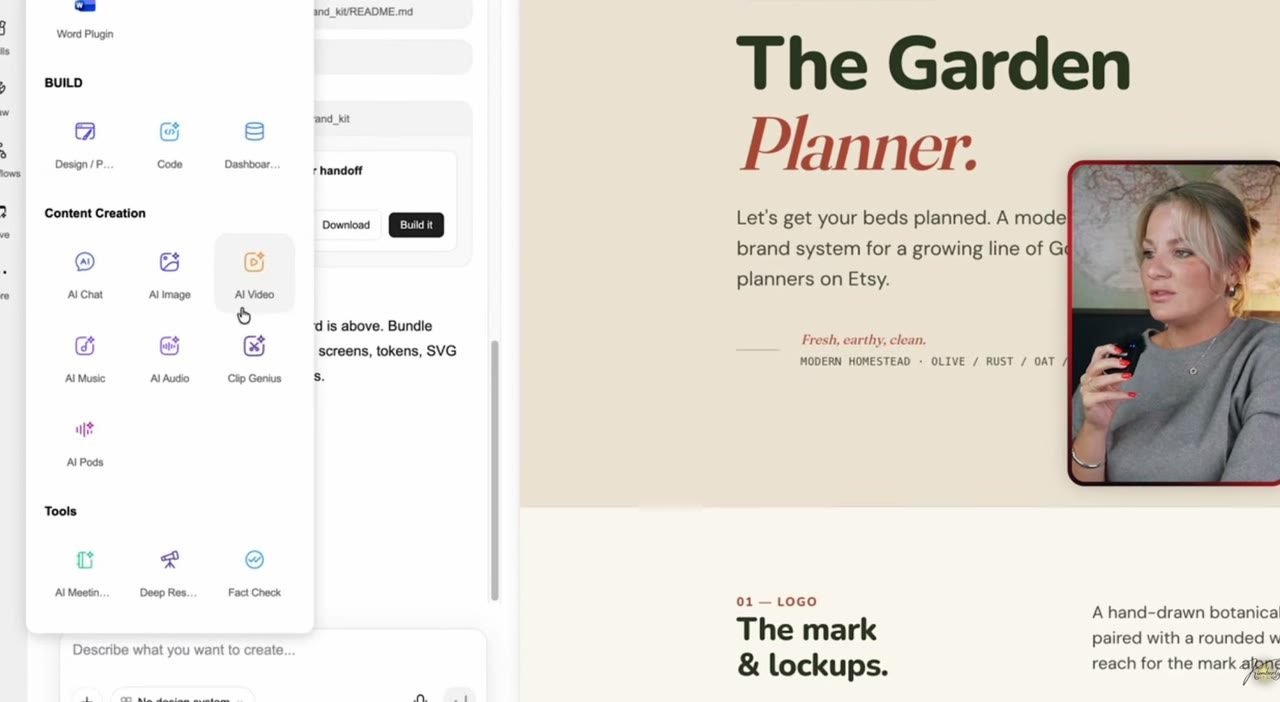
Look for demonstrated expertise
A creator's authority is visible in the content itself. Watch multiple recent videos and ask whether they teach viewers how to do something or merely describe trends. Do they share working examples, explain trade-offs, and demonstrate real experience? Are their recommendations specific enough to be useful?
A business creator who walks through building a client acquisition process may be a stronger partner for outreach software than a larger channel that occasionally posts generic “best AI tools” lists. The former has an established reason to introduce the product and can place it inside a credible workflow.
Expertise also supports authenticity. Viewers are more likely to accept a sponsorship when it aligns with what the creator already teaches. That does not mean every expert recommendation converts; it means the content has a credible foundation for product consideration.
Evaluate the audience, not just the views
Subscriber count is a weak substitute for audience fit. Review recent video performance, comments, geography, and the subjects that consistently attract engaged viewers.
Comments can be particularly revealing. Are viewers asking detailed implementation questions? Do they describe operating their own businesses? Are they requesting tutorials and follow-up demonstrations? Those signals can indicate an audience actively trying to solve problems.
Be careful not to overinterpret comments or demographic screenshots. They are incomplete proxies for buyer intent. Combine them with the creator's content history, available analytics, and any relevant prior campaign learnings.
Match the creator to the integration format
Not every creator is equally suited to every sponsorship.
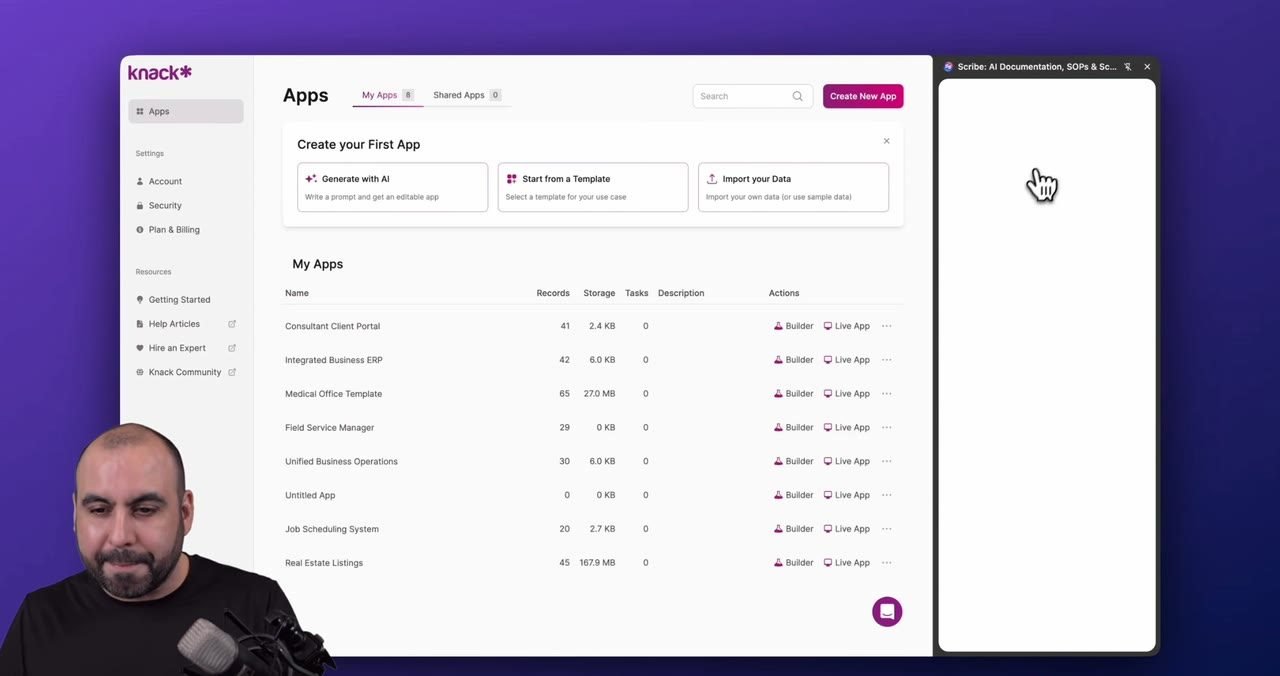
A creator with a strong personality and broad business audience may be effective at a concise mid-roll introduction. A tutorial-focused creator may be better positioned to incorporate a product into a semi-dedicated walkthrough. A creator who regularly documents real projects may be ideal for a dedicated video centered on a meaningful outcome.
For example, an AI platform designed for business research could be featured in a video showing how a founder validates a new business idea. A marketing automation tool could be integrated into a tutorial on building a lead-generation system. In both cases, the topic should make sense without the sponsorship.
Before agreeing to a dedicated video, ask whether the creator can sustain viewer interest throughout the concept. A product may be relevant, but a video that feels like a long advertisement may underperform.
Use a practical creator scorecard
An internal scorecard can make comparisons more disciplined. Consider evaluating each candidate on five dimensions:
Audience fit: How closely do viewers match your ideal customer profile?
Subject authority: Does the creator demonstrate relevant operating experience and expertise?
Content quality: Are explanations useful, accurate, and engaging?
Creative fit: Can the product appear naturally in a video the audience would already want to watch?
Commercial fit: Are pricing, timelines, deliverables, and measurement expectations reasonable?
Avoid assigning all the weight to expected views. A smaller creator with strong scores across the first four dimensions may be more promising than a larger channel with weak product relevance.
Red flags to watch for
Surface-level content. If every video summarizes tools without showing how they work, a complex SaaS product may not receive enough meaningful education.
Unnatural sponsorship fit. A creator may have excellent reach but no credible reason to introduce the software.
Inconsistent view expectations. One viral upload should not define the forecast for an upcoming sponsorship.
Overly rigid creative requirements. A creator should be able to meet brand accuracy and compliance needs while retaining their own voice.
Misaligned success metrics. If a brand needs qualified trials, neither party should treat impressions as the only measure of success.
These are reasons to investigate further, not automatic disqualifiers. Some creators can adapt their formats effectively when the product and concept are right.
Test, learn, and build longer-term partnerships
For an initial program, choose a few creators whose audiences represent distinct but relevant customer segments. Keep the product offer and tracking approach reasonably consistent so results are easier to interpret. Use unique links or landing pages, but remember that attribution may miss delayed or cross-device conversions.
Review trial starts, activation, paid conversion, and the quality of customer feedback. Then return to the strongest partners with a better understanding of which use cases resonate. A repeat sponsorship or more involved integration may be more effective than constantly searching for new reach.
The goal is not to build the biggest creator list. It is to build a network of trusted voices who can make your software useful and understandable to the people who need it.
Work with creators who understand the problem
At Appear Management, we prioritize creator authority, audience relevance, and natural product integration when developing YouTube sponsorship opportunities for SaaS, AI, B2B, and fintech brands. Reach out to explore our creator network and identify partners who can bring your product to life for the right audience.
Looking for YouTube creators for your brand?
Tell us what you sell and who you want to reach, and we'll recommend the right creators and manage the campaign end to end.
Contact