For SaaS companies, influencer marketing is not simply about reaching as many people as possible. The real opportunity is reaching the right people through someone they trust, and giving those people a compelling reason to try the product.
YouTube is especially well suited to that challenge. A creator can move beyond a slogan or static ad and demonstrate how a tool solves a real problem. For business software, where prospective customers may need to understand a workflow before signing up, that context matters.
Yet many brands approach YouTube as if they were buying impressions. They compare creators by subscriber counts, negotiate for the lowest cost per thousand views, and evaluate campaigns before customers have had time to move from a trial into a paid subscription. A stronger approach begins with expertise, product relevance, and the economics of the customer journey.
Why YouTube works for SaaS
Software is often easier to understand when viewers see it in action. A business owner watching a creator build a lead-generation workflow can see not just what an automation platform claims to do, but how it might fit into their own company. A freelancer watching an invoicing tutorial can imagine applying the same steps to their business.
YouTube also gives these demonstrations room to breathe. Unlike short-form placements, longer videos can explain the problem, show the process, and discuss trade-offs. Relevant videos may continue attracting viewers after publication, although evergreen reach depends on the topic and search demand.
For SaaS brands, that combination can support several stages of the funnel: initial awareness, product education, trial registration, activation, and eventual paid conversion. Those stages should not be confused. A trial signup is useful, but a campaign that generates hundreds of unqualified trials may be less valuable than one that produces fewer trials with strong activation and paid conversion.
Start with creator authority, not audience size
A creator with a large following is not necessarily the right partner for a specialized software product. A smaller creator who has actually built businesses, managed sales teams, or implemented complex workflows may have substantially more influence with the buyers you need to reach.
Consider a creator who teaches agency owners how to build client acquisition systems. Their audience may be smaller than a general technology channel's audience, but their viewers have a clear problem and a reason to act. When that creator recommends a CRM or automation platform, the recommendation is connected to demonstrated expertise.
Look for evidence that the creator understands the subject: detailed tutorials, repeatable frameworks, real operating experience, thoughtful answers to audience questions, and content that goes beyond surface-level lists. Subscriber counts and average views still matter for forecasting reach; they simply should not be the starting point.
Choose the integration around the buyer's decision
Three common YouTube sponsorship formats give SaaS marketers different levels of product exposure.
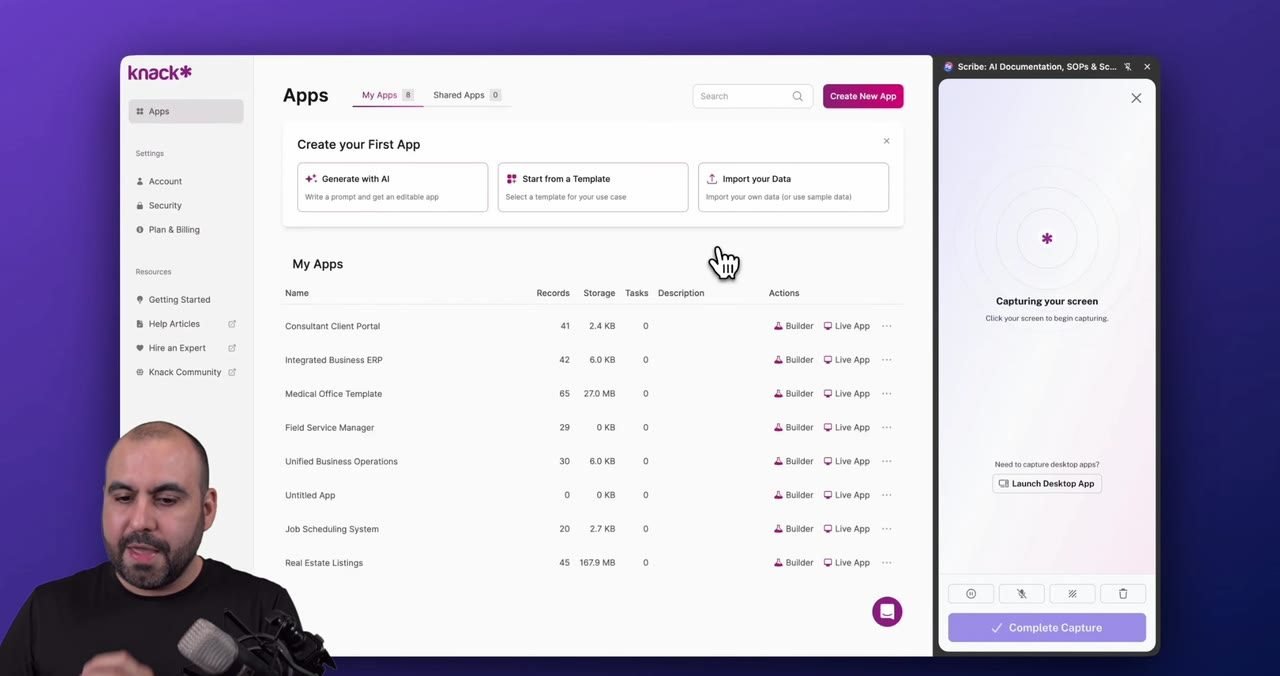
Mid-roll integrations typically dedicate approximately 60 to 90 seconds to the sponsor within an otherwise independent video. They are useful for introducing a product, testing messaging, and building awareness across multiple creators. A concise demonstration can make the segment more compelling than a scripted feature list.
Semi-dedicated integrations weave the product into a broader educational topic. A video about building an automated sales process might show a software platform as one step in the workflow. This approach gives the viewer more context and can be particularly effective when product understanding is a barrier to trial signup.
Dedicated videos make the product central to the content. The strongest versions still deliver a story or outcome that viewers genuinely want to watch, for example building a side business from scratch and showing how the sponsored software supports each step. Dedicated content can support deeper education and longer-term discovery, but it requires more planning and may cost more.
No format guarantees a better return. The right choice depends on product complexity, the creator's audience, the offer, the budget, and the brand's objective.
Build campaigns around trial quality
For many SaaS businesses, trial conversion is the metric that matters most. But that means tracking more than the first click.
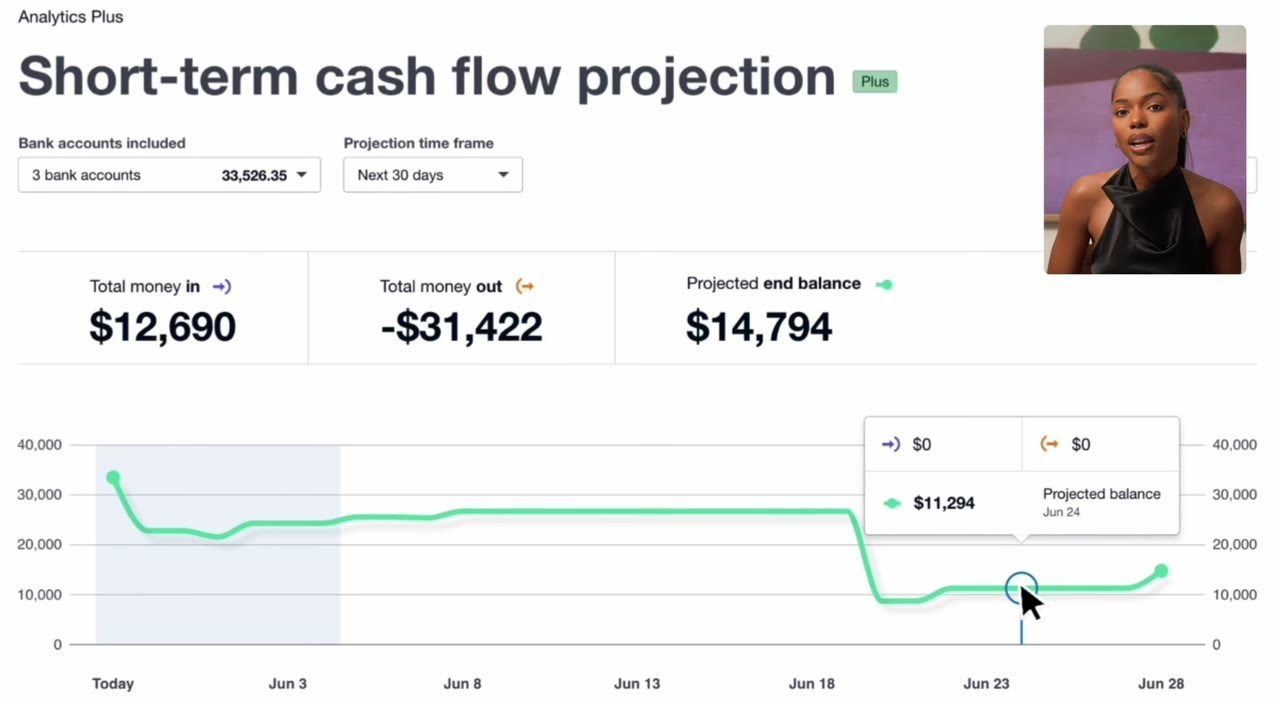
A useful measurement framework follows the path from video views to tracked visits, trial starts, product activation, paid subscriptions, and, where available, retention or customer lifetime value. Attribution can use UTM-tagged links, unique landing pages, referral codes, and post-signup questions. None is perfect on its own: viewers may return directly later, use another device, or convert after seeing multiple creators.
Before launch, define what a qualified trial looks like. For a B2B platform, that might include a company email, connecting a business account, importing data, or completing a first meaningful workflow. This helps distinguish curiosity from buying intent.
Also examine the experience after the click. Even excellent creator content will struggle if the landing page does not match the video's promise or if onboarding is confusing. A sponsorship should lead into a coherent product experience.
Budget for learning, not just one-off exposure
SaaS sponsorships are often priced around expected views, using a CPM, but rates vary substantially with the creator's authority, niche, audience geography, creative requirements, and format. As an agency-side working range, Appear Management sees proposals that can fall around $50 to $250 CPM; this is not a universal market benchmark.
At a $100 sponsorship CPM, a placement expected to generate 50,000 views would imply a $5,000 fee. That figure is a starting point for negotiation, not an ROI forecast. Brands should also consider audience fit, historical sponsorship performance, production scope, usage rights, and whether the content can support sustained discovery.
Instead of concentrating an entire budget on one large creator, consider testing a small group of authoritative creators in adjacent niches. Compare not only traffic and trials but also activation quality and paid conversions. Once a clear pattern emerges, repeat with the strongest partners and explore more sophisticated integrations.
Common mistakes SaaS brands should avoid
Buying reach without relevance. A broad audience can produce impressive view counts but limited qualified demand.
Over-scripting the creator. Audiences recognize when a sponsor's message sounds disconnected from the channel. Give creators accurate claims and clear requirements, then let them explain the product in their own voice.
Expecting instant attribution. B2B purchases may involve research, colleagues, and multiple touchpoints. Evaluate early signals while allowing for a reasonable conversion window.
Treating every placement as a mid-roll. Some products need more than a minute to demonstrate value. Semi-dedicated and dedicated videos can provide the education that helps viewers become serious users.
Ignoring product experience. Marketing can generate trials; onboarding and product value determine whether those trials become customers.
Turning sponsorships into a repeatable acquisition channel
The most durable SaaS influencer programs combine disciplined testing with creator-led storytelling. Start with a clear buyer profile and a measurable funnel. Identify creators whose expertise earns trust with that audience. Select the format that allows the product to be demonstrated naturally. Then evaluate results beyond views and refine the program based on qualified customer behavior.
At Appear Management, we help SaaS, B2B, and technology brands identify relevant YouTube creators and develop sponsorships ranging from mid-roll placements to more involved educational content. Contact Appear Management to explore our creator network and discuss which integrations fit your acquisition goals.
Looking for YouTube creators for your brand?
Tell us what you sell and who you want to reach, and we'll recommend the right creators and manage the campaign end to end.
Contact