
When brands plan a YouTube influencer campaign, it is tempting to start with the largest channels in the category. More subscribers appear to mean more opportunity. But for B2B, SaaS, AI, and specialized ecommerce products, a smaller audience can sometimes be a more commercially valuable one.
A niche creator may reach fewer people, yet those viewers often arrive with a specific problem to solve. They want advice on building a business, automating a workflow, improving a store, or choosing software. When the creator has firsthand experience and demonstrates a relevant product naturally, the recommendation can carry unusual weight.
That creates an opportunity for stronger return on ad spend (ROAS). It is important to be precise: micro-creators do not universally deliver the highest ROAS, and channel size alone does not predict conversion. Their advantage is the potential combination of qualified attention, credibility, and flexible creative formats.
What counts as a micro-creator?
There is no single universally accepted subscriber threshold for a YouTube micro-creator. Definitions vary by platform and agency. For this discussion, the term means a comparatively smaller channel serving a clearly defined audience rather than a mass-market creator.
Think of a YouTuber who teaches Shopify store owners how to improve operations, an agency founder sharing actual client acquisition systems, or an AI practitioner walking through practical automations. Their audiences may be modest compared with general business or entertainment channels, but the subject matter is highly specific.
The more useful distinction is not a subscriber cutoff. It is whether the creator has an identifiable community with a shared need and the credibility to guide decisions in that area.
Niche attention can be more valuable than broad reach
A general-interest channel may attract millions of viewers with very different interests. A specialized channel about running a bookkeeping practice attracts people who are far more likely to care about invoicing, reporting, and accounting workflows.
That concentration matters for products with narrow ideal customer profiles. A SaaS company does not need every viewer to be a potential buyer; it needs enough qualified viewers who recognize the problem and can take action.
A smaller creator who repeatedly explains how to operate a business may also establish a deeper relationship with viewers. People come back for applicable instruction, not just entertainment. When the creator recommends software used in a relevant workflow, the recommendation can feel like part of the advice they came to receive.
Engagement rates and conversion rates are not guaranteed to be higher for smaller channels. Brands should validate audience fit and performance rather than assume every niche creator has an unusually loyal following.
Expertise builds trust that can support conversions
For complex products, expertise is especially important. An AI platform, financial software product, or advanced ecommerce application may require explanation before someone feels confident signing up.
A creator who has genuinely operated a business can discuss trade-offs and show why a particular workflow matters. A creator who simply reads feature lists cannot offer the same level of context.
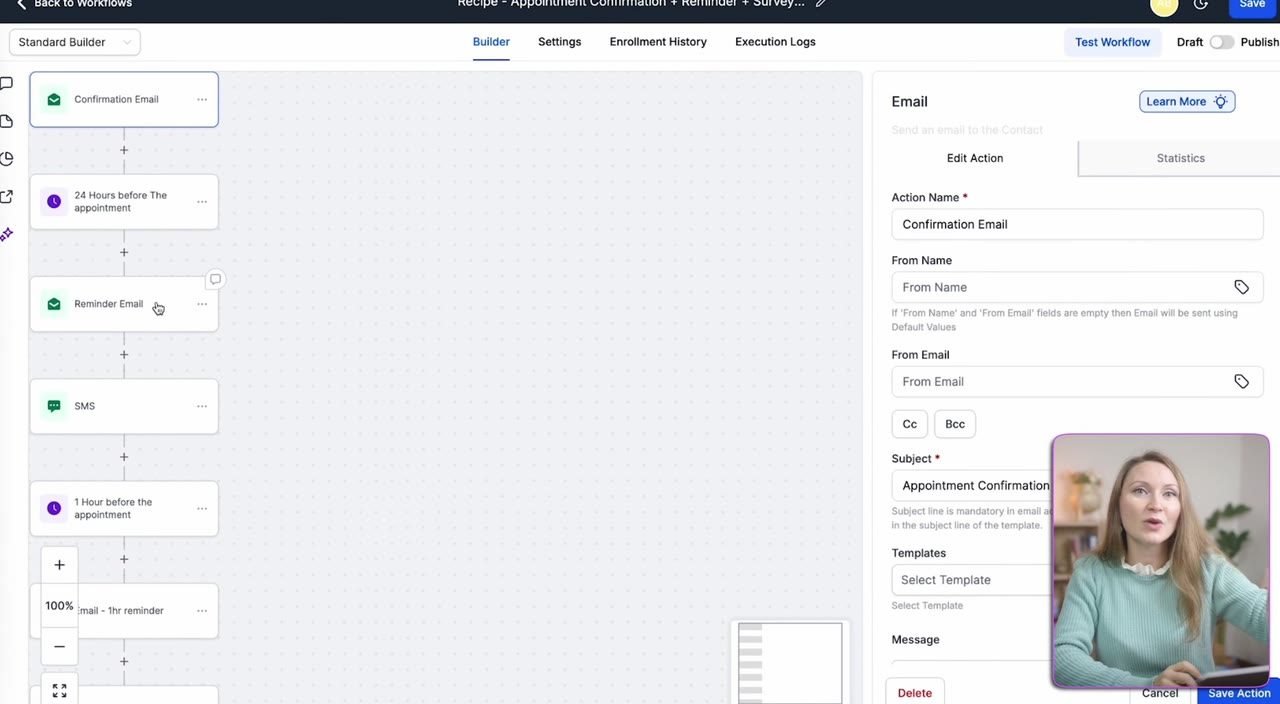
Consider a hypothetical creator who teaches small agencies how to generate leads. Their audience is already looking for practical sales systems. If the creator demonstrates a relevant CRM or outreach platform inside an actual process, the viewer can evaluate the tool against a problem they recognize.
This is why brands should examine how creators teach, not just what topics appear in their channel descriptions. The strongest candidates show real work, answer nuanced questions, and earn trust through consistent usefulness.
Micro-creators may be more flexible with deeper integrations
Another opportunity is creative collaboration. Some smaller creators may be more open to developing semi-dedicated or dedicated videos than creators with highly standardized sponsorship inventories. This is a tendency worth exploring, not a rule; every creator has their own editorial priorities, capacity, and rates.
A mid-roll can be useful for introducing a product, but 60 to 90 seconds may not be enough to show how sophisticated software works. A semi-dedicated integration lets the creator place the product inside a tutorial that already matches the channel's focus.
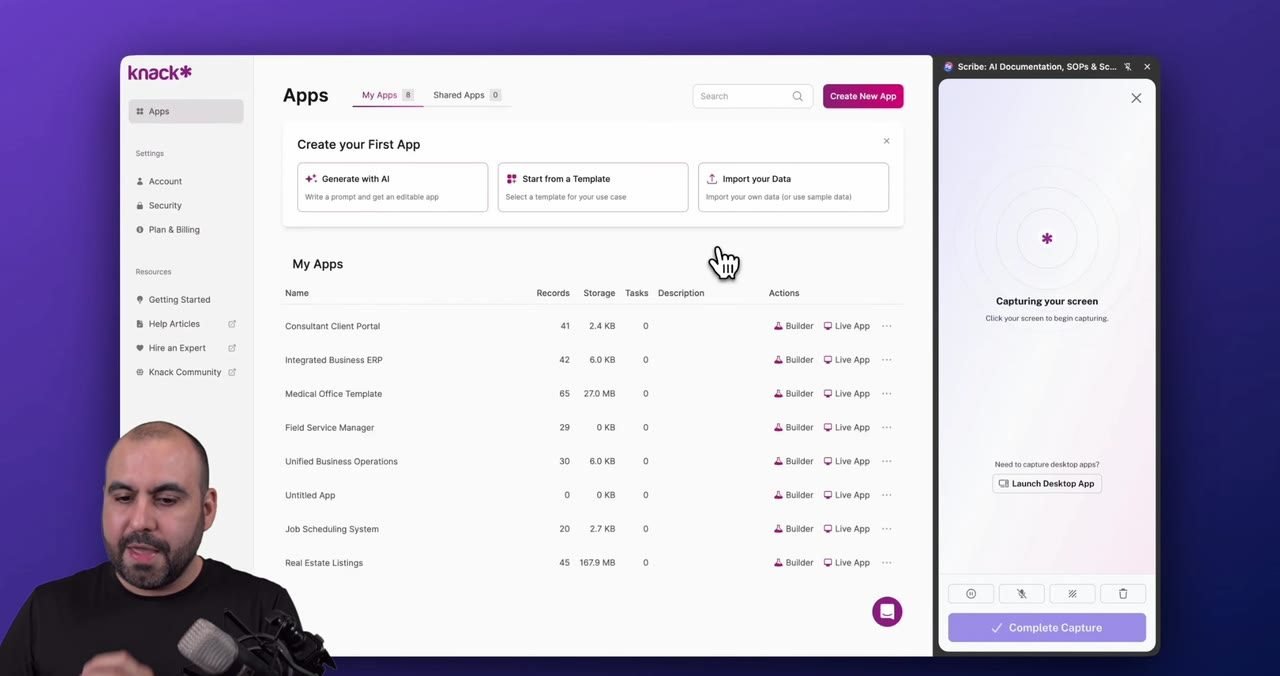
For example, an ecommerce creator could produce a video about improving store profitability and incorporate a relevant analytics platform into the process. An AI creator could show how they automate customer research using a sponsored tool. A B2B creator could build a complete lead-generation workflow and explain where the software fits.
Dedicated videos go further. Rather than describing the product, the creator can document a project from beginning to end. Viewers see the tool used in context, including the decisions and outputs that make it valuable.
These formats can be especially compelling when the audience wants practical advice. The content provides a reason to watch, and the brand becomes part of the solution.
How micro-creators can improve campaign economics
ROAS compares revenue attributed to advertising with the amount spent. For subscription products, brands may also examine customer acquisition cost, payback period, and lifetime value because immediate revenue does not capture the full customer relationship.
Consider a hypothetical comparison. A broad creator costs $12,000 and generates $18,000 in attributed revenue: 1.5x ROAS. A smaller niche creator costs $3,000 and generates $9,000: 3.0x ROAS. The niche creator reaches fewer people but produces a stronger return relative to cost.
These figures are illustrative, not campaign results or evidence that micro-creators generally outperform. Real comparisons should account for attribution windows, delayed subscription revenue, production costs, and whether audiences overlap across placements.
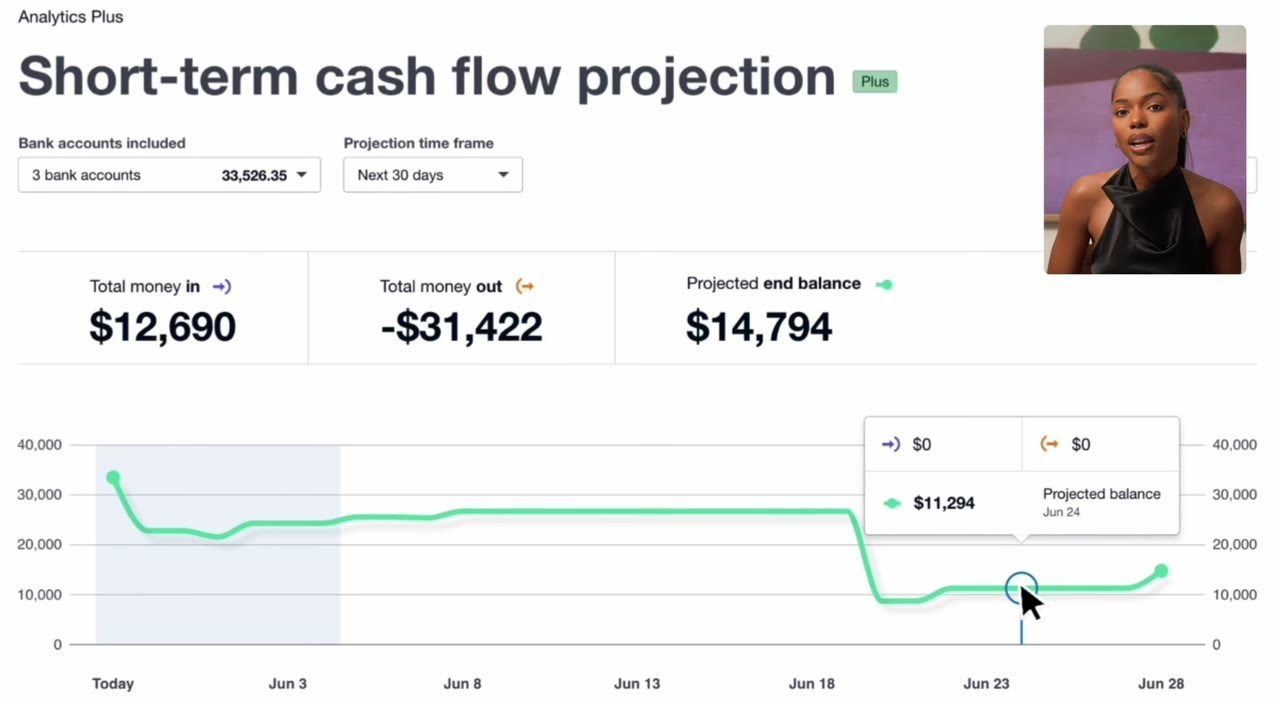
The opportunity is to buy more relevant attention and develop a demonstration that moves viewers toward action. Sometimes that will outperform a larger channel. Other times, a broad creator with exceptional authority or a lower effective acquisition cost will be the better investment.
Where this strategy fits across industries
B2B software: Partner with creators who teach specific business functions, such as sales operations, agency management, finance or customer support, and can show the product in a real workflow.
SaaS: Prioritize qualified trials and activation. A tutorial that teaches the first meaningful product action may be more valuable than an endorsement that generates curiosity alone.
AI: Focus on applicable demonstrations. Viewers should see what inputs the creator uses, what outputs the tool produces, and how the result helps accomplish a task.
Ecommerce: Work with creators who operate stores, test products, or explain operational decisions. A relevant integration can connect the brand to a practical problem merchants are trying to solve.
In each category, the right audience is defined by needs and buying behavior, not merely by interest in a broad topic.
Build a portfolio instead of betting on one channel
One practical approach is to test several niche creators with distinct audiences or use cases. That can diversify creative risk and reveal which types of expertise resonate most strongly with buyers.
Define comparable tracking methods and measure qualified traffic, registrations, activation, and paid conversion where relevant. For ecommerce, examine attributable orders, revenue, and margin. Then expand with the creators who demonstrate the strongest fit and explore deeper integrations where the content supports them.
Do not force every micro-creator into a dedicated video. A short integration can still be the right choice when the product is simple or the creator's existing format is a better fit. The objective is to select the least forced, most useful way to tell the story.
The real advantage is relevance
Micro-creator marketing is not about finding the smallest channels or the lowest prices. It is about finding credible specialists whose viewers want the exact kind of help your product provides.
For B2B, SaaS, AI, and ecommerce brands, that can create an unusually strong environment for authentic demonstrations and efficient acquisition. At Appear Management, we work with niche YouTube creators across business, finance, entrepreneurship, AI, and technology. Reach out to learn about our creator network and explore mid-roll, semi-dedicated, or dedicated partnerships tailored to your goals.
Looking for YouTube creators for your brand?
Tell us what you sell and who you want to reach, and we'll recommend the right creators and manage the campaign end to end.
Contact