
As more B2B, SaaS, and AI companies turn to YouTube influencer marketing to reach new audiences, one of the most important decisions isn't simply which creators to partner with, but how their products should be integrated into the content.
Unlike traditional digital advertising, YouTube sponsorships give brands the opportunity to introduce their products through creators who have already established trust and credibility with their audiences. When executed effectively, these partnerships can drive everything from increased brand awareness to product trials, signups, and long-term customer acquisition.
However, not all YouTube sponsorship integrations are created equal.
A 60-second sponsorship within an existing video serves a different purpose than a dedicated video built around a brand's product. Understanding these differences is particularly important for B2B and SaaS companies, where purchasing decisions often require more education, product consideration, and multiple touchpoints before conversion.
Below, we'll break down three of the most common YouTube sponsorship formats, how they work, and when brands should consider each approach.
1. Mid-Roll Sponsorship Integrations: Building Awareness at Scale
Mid-roll sponsorships are one of the most common forms of YouTube influencer marketing and often serve as the starting point for brands exploring creator partnerships.
How Mid-Roll Sponsorships Work
A typical mid-roll sponsorship is a 60-to-90-second segment incorporated into a creator's existing YouTube video.
Rather than producing an entirely new piece of content around the sponsor, the creator integrates the brand into a video they were already planning to publish.
The most effective integrations feel like a natural extension of the creator's content. A creator discussing entrepreneurship, for example, might transition into a sponsorship by introducing a software platform they use to manage their business operations.
During the integration, the creator will typically introduce the brand, explain its core value proposition, highlight relevant product features, and encourage viewers to visit a link in the video description.
For SaaS and AI brands, incorporating a brief product demonstration can be particularly valuable. Instead of simply describing what a platform does, creators can show viewers how it works and why it might be useful.
When Mid-Roll Sponsorships Make Sense
Mid-roll integrations are particularly effective for brands focused on:
Brand awareness: Introducing a product to relevant audiences across multiple YouTube channels.
Product discovery: Reaching potential customers who may not have actively searched for the solution.
Testing new audiences: Evaluating which creator categories, messaging strategies, and audience segments generate the strongest engagement.
Scalable customer acquisition: Building repeatable sponsorship programs across multiple creators and videos.
For example, an AI platform like Genspark could partner with creators focused on productivity, entrepreneurship, or technology to introduce its capabilities to audiences already interested in AI tools.
Rather than relying on a single creator, the brand could execute a series of mid-roll integrations across different channels to understand which audiences and messaging approaches generate the most interest.
The Trade-Off
The primary limitation of mid-roll sponsorships is time.
With approximately 60 to 90 seconds to communicate a product's value, creators have limited opportunities to explain complex functionality or demonstrate multiple use cases.
For straightforward products, this may not be a significant challenge. However, SaaS platforms with more advanced capabilities, longer onboarding processes, or multiple product features may benefit from a more comprehensive integration.
Our perspective: Mid-roll sponsorships are an excellent starting point for B2B and SaaS brands looking to build awareness, test creator partnerships, and develop a scalable influencer marketing strategy.
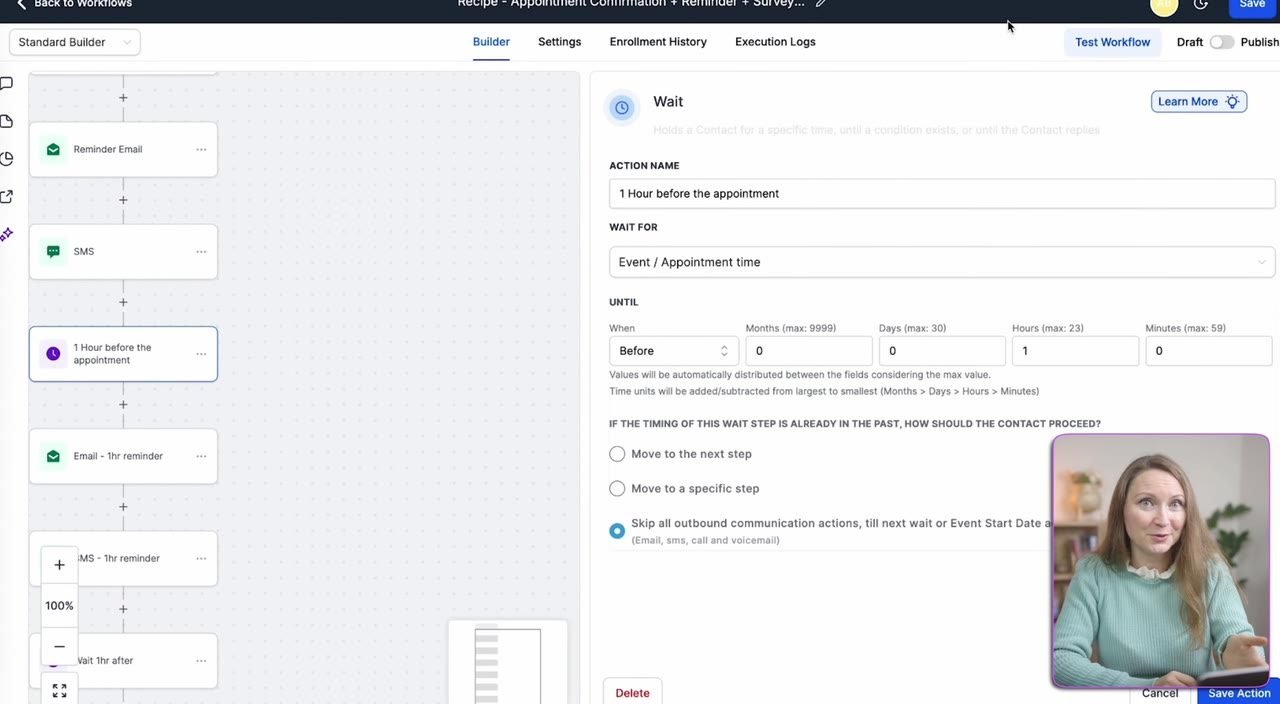
2. Semi-Dedicated Integrations: Making Your Product Part of the Story
Semi-dedicated sponsorships take influencer marketing a step further by incorporating the brand more meaningfully into the video's overall narrative.
Rather than interrupting the content for a traditional advertisement, the creator builds the brand into a relevant section of the video itself.
This creates an opportunity for viewers to see the product being used in context, rather than simply hearing about its features.
How Semi-Dedicated Sponsorships Work
In a semi-dedicated integration, the creator develops a video around a broader topic that naturally creates opportunities to showcase the sponsor.
Consider a creator producing a video titled:
"5 AI Tools Every Business Owner Should Be Using in 2027."
An AI software company could sponsor the video and have its platform featured as one of the tools discussed.
Rather than delivering a standalone advertisement, the creator could demonstrate the platform's capabilities, explain how it compares to other solutions, and show viewers how it solves a specific business challenge.
Another example could be a video titled:
"How to Automate Your Sales Outreach Using AI."
Within the video, a creator could showcase an AI outreach platform as part of a larger workflow involving lead generation, prospect research, and email automation.
In both examples, the product becomes part of the educational value viewers came to the video to receive.
Why This Works Particularly Well for SaaS and AI Brands
One of the biggest challenges SaaS companies face with influencer marketing is communicating the practical value of their products.
A platform may offer dozens of features, but those features don't necessarily resonate with potential customers until they understand how the software solves a problem.
Semi-dedicated integrations address this challenge by allowing creators to demonstrate a product within a relevant use case.
For example, a platform like GoHighLevel could be incorporated into a video about building an automated lead generation system for a small business.
Instead of simply describing its CRM and marketing automation capabilities, the creator could demonstrate how the platform fits into an actual business workflow.
This helps bridge the gap between product awareness and product consideration.
When Semi-Dedicated Sponsorships Make Sense
This format is particularly valuable for brands focused on:
Product education: Demonstrating how software works and why it matters.
Qualified traffic: Reaching viewers who are actively interested in solving the problem the product addresses.
Trial signups: Giving viewers enough context and confidence to explore the platform themselves.
Building credibility: Associating the product with relevant educational content rather than a standalone advertisement.
The Trade-Off
Semi-dedicated integrations require more collaboration between the brand and creator.
The video's topic needs to align with the creator's audience while providing an authentic opportunity to incorporate the sponsor.
Brands should avoid forcing their products into topics that don't naturally support the integration. The strongest partnerships begin with a relevant video concept and build the sponsorship around it.
Our perspective: For B2B, SaaS, and AI companies, semi-dedicated integrations often provide an attractive balance between audience reach, product education, and performance potential.
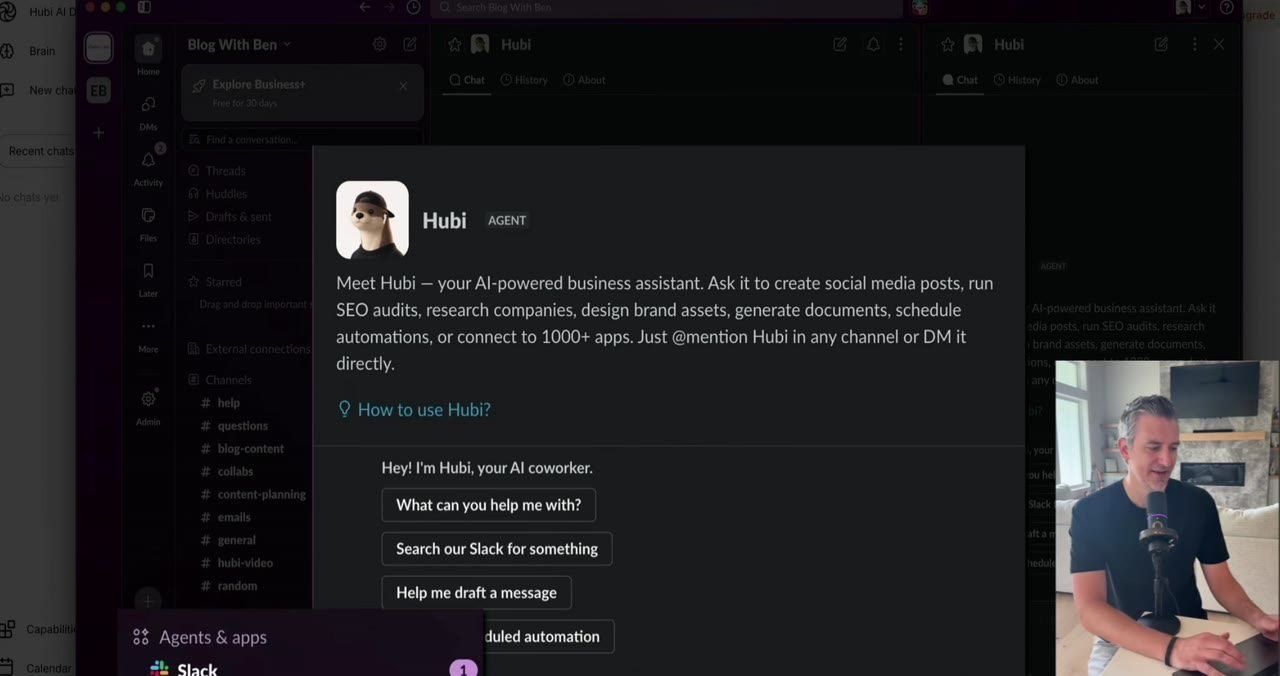
3. Dedicated Sponsorship Videos: Turning Product Education Into Compelling Content
Dedicated YouTube sponsorships represent the most comprehensive form of creator integration.
Rather than featuring a product within a small segment of a video, the entire content piece is developed around the brand, its capabilities, or a problem the product helps solve.
However, there's an important distinction between creating a dedicated sponsorship and producing a traditional product advertisement.
The most effective dedicated videos don't simply list features or explain why viewers should purchase a product.
They tell a compelling story in which the product plays an essential role.
How Dedicated Sponsorships Work
In a dedicated sponsorship, the brand and creator collaborate to develop a video concept that highlights the product throughout the content.
For SaaS and AI companies, this often means demonstrating how the platform helps accomplish a meaningful outcome.
Imagine an entrepreneurship creator producing a video titled:
"I Built an Online Business From Scratch Using AI."
Throughout the video, the creator documents the process of launching a business, including:
Generating and validating a business idea.
Developing a business plan and brand identity.
Building a website or landing page.
Creating an outreach and customer acquisition strategy.
Establishing systems to manage the business.
An AI platform could serve as the central tool helping the creator accomplish several of these tasks.
Instead of telling viewers what the product can do, the creator demonstrates its value through a real-world project.
The audience follows the story because they're interested in the outcome, while the brand receives meaningful exposure throughout the video.
This approach is particularly powerful because the product becomes essential to the content rather than an interruption.
Why Dedicated Videos Can Be So Impactful
For many B2B and SaaS companies, the biggest obstacle to customer acquisition isn't necessarily a lack of awareness.
It's helping prospective customers understand how the product fits into their lives or businesses.
Dedicated videos provide the time and creative flexibility to address that challenge.
Creators can walk viewers through product functionality, demonstrate multiple use cases, address common questions, and showcase the platform's value in a practical setting.
This can be particularly beneficial for products with higher subscription costs, more complex functionality, or longer consideration cycles.
Dedicated content also has the potential to generate value long after the initial publication date.
A well-produced educational video targeting a relevant YouTube search topic can continue attracting viewers months or even years after publication, creating additional opportunities for product discovery and customer acquisition.
Of course, this depends on the video's topic, search demand, and ongoing relevance.
When Dedicated Sponsorships Make Sense
Dedicated videos are particularly well-suited for brands focused on:
Deeper product education: Explaining complex platforms and demonstrating multiple features.
High-intent customer acquisition: Attracting viewers interested in accomplishing a task that requires the product.
Long-term conversions: Creating evergreen educational content that can continue generating interest after publication.
Product launches: Introducing a new platform or major feature through a comprehensive demonstration.
Establishing credibility: Showing a trusted creator using the product to achieve a meaningful outcome.
The Trade-Off
Dedicated videos generally require a larger investment, more creative planning, and closer collaboration with the creator.
They also carry greater creative risk. If the video feels overly promotional or departs too far from the content an audience typically expects, viewers may be less inclined to watch.
That's why choosing the right creator and developing the right video concept are especially important.
Our perspective: When executed correctly, dedicated sponsorships can be among the most impactful influencer marketing formats for SaaS and AI brands, particularly when the goal is to demonstrate product value and influence meaningful purchasing decisions.
However, the highest level of integration doesn't automatically guarantee the highest return on investment. Performance still depends on audience alignment, creative execution, pricing, and the product's conversion experience.
Comparing YouTube Sponsorship Formats: Which Is Best for Your Brand?
Each sponsorship format offers distinct advantages depending on a brand's marketing objectives.
| Marketing Objective | Recommended Format |
|---|---|
| Broad brand awareness | Mid-roll |
| Testing creators and audiences | Mid-roll |
| Introducing a new SaaS product | Mid-roll or semi-dedicated |
| Demonstrating product functionality | Semi-dedicated |
| Driving qualified product interest | Semi-dedicated |
| Explaining complex software | Dedicated |
| Showcasing multiple product use cases | Dedicated |
| Building long-term educational content | Dedicated |
| Driving trial signups and conversions | Semi-dedicated or dedicated, depending on the offer and audience |
It's important to recognize that these recommendations aren't universal.
A well-executed mid-roll integration with a highly relevant audience can outperform a dedicated video with a broader, less qualified audience.
Similarly, a dedicated video may generate fewer initial views but attract viewers with stronger purchasing intent.
For brands focused on performance marketing, success shouldn't be measured by views alone.
Metrics such as qualified website traffic, trial signups, cost per acquisition, activation rates, and eventual customer conversions provide a more meaningful picture of campaign performance.
Building a YouTube Sponsorship Strategy That Drives Results
One of the biggest mistakes brands make when approaching YouTube influencer marketing is treating every sponsorship as an isolated campaign.
For B2B, SaaS, and AI companies, a more effective approach is often to build a strategy that incorporates multiple integration formats.
For example, a SaaS company entering a new market might begin with mid-roll integrations across several relevant creators to build awareness and identify high-performing audiences.
Once the brand understands which creators and messaging strategies resonate, it could explore semi-dedicated integrations that demonstrate more specific product use cases.
Finally, the brand might invest in dedicated videos with a select group of creators to develop deeper educational content that supports long-term customer acquisition.
This approach allows brands to balance reach, product education, and conversion opportunities while learning from each campaign.
Ultimately, the right sponsorship strategy depends on the product, target audience, marketing budget, and customer acquisition goals.
Finding the Right YouTube Creators for Your Sponsorship Strategy
At Appear Management, we work with brands across the B2B, SaaS, AI, fintech, and technology sectors to develop YouTube sponsorship campaigns that align with their marketing objectives.
Whether you're looking to introduce your product through mid-roll integrations, incorporate your platform into educational content, or develop a dedicated video around a compelling use case, selecting the right creators and integration format is essential.
Our network includes YouTube creators across business, entrepreneurship, finance, AI, and technology, giving brands access to audiences that are actively interested in discovering new tools and solutions.
Interested in exploring YouTube sponsorship opportunities for your brand?
Get in touch with Appear Management to learn more about our creator network and how we can help develop sponsorship integrations tailored to your goals.
Looking for YouTube creators for your brand?
Tell us what you sell and who you want to reach, and we'll recommend the right creators and manage the campaign end to end.
Contact